DIY Self-Watering Planters From Bottles: What Works and What Can Go Wrong
Understand simple bottle-based wick and reservoir ideas for balcony plants, with drainage, waterlogging, cleanliness, and mosquito precautions.
A bottle can be repurposed as part of a small self-watering system, but a bottle inserted into soil is not automatically reliable. The design must deliver water gradually without keeping roots permanently saturated, and the reservoir must stay clean and protected from mosquitoes. Test the setup while you can inspect it every day.
Choose a design you can inspect
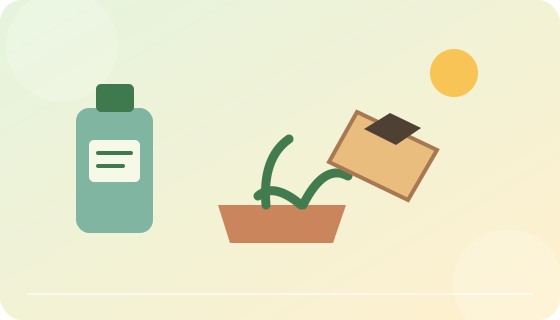
A simple wick system uses a water reservoir and a suitable wick to draw moisture into the growing mix gradually. Another approach is to use a purpose-made self-watering planter with a separated reservoir, fill port, and overflow arrangement. A bottle may serve as a reservoir only if it can be secured, refilled, cleaned, and protected from pests.
Avoid untested shortcuts that leave the entire root zone submerged or make it impossible to see how much water remains. Container plants generally need moist but aerated media. The system should supply water gradually; it should not eliminate drainage or encourage roots to remain in stagnant conditions.
Build a simple test setup
- Select a container with drainage and enough volume for the plant.
- Use a clean, food-safe bottle or reservoir that can be firmly supported and is not cracked.
- If using a wick, follow a proven design and choose a material that can move water without collapsing or decaying quickly.
- Fill the reservoir and record the level and pot moisture at the same time each day.
- Watch for sour smells, algae, mosquitoes, persistently saturated media, or a wick that stops drawing water.
- Test with a non-critical plant before relying on the system during a trip or heatwave.
This is a monitoring routine, not a promise that any particular bottle design will keep a pot watered for a fixed number of days.
Prevent waterlogging and mosquitoes
Do not let a reservoir become an open pool of stagnant water. Cover it securely, clean it regularly, and follow local advice on mosquito prevention. A small leak can also stain surfaces or create water damage, so keep the system inside a suitable tray if that is safe and empty the tray when necessary.
Check whether water reaches all the root zone. A wick that is too small may keep only one spot damp, while an oversized or poorly placed reservoir may saturate the media. If the soil smells sour or plant roots darken and soften, stop the system and investigate drainage and root health.
Know when a manual watering routine is better
A simple pot with a quality mix, enough volume, mulch, and scheduled moisture checks can be more reliable than a homemade reservoir that has not been tested. In a hot balcony, demand changes with weather, wind, plant size, and fruit load. A bottle cannot account for all these variables.
If you need to leave plants unattended, test the system across several normal days and a hot day before depending on it. Ask a trusted person to inspect plants when the weather is extreme. For general methods of reducing evaporation, see mulching containers in hot weather and watering balcony vegetables on 40°C days.
Test the reservoir before trusting it
Treat a homemade bottle or wick setup as a small irrigation experiment, not as a guaranteed watering solution. Before relying on it for an important plant, test the system while you are available to inspect it.
- Fill the reservoir to a marked level and write down the date and time.
- Check whether the wick is actually drawing water into the media, rather than simply wetting one narrow area.
- Inspect the root zone in more than one place. A damp patch directly above the wick does not prove the whole pot is evenly moist.
- Recheck the reservoir and media after 24 hours, then through a normal warm day.
- Look for leaks, stagnant water, algae, unpleasant smells, and standing water around the pot.
- If the setup is unstable, difficult to clean, or keeps media saturated, stop using it and return to a simpler watering routine.
Do not infer how many days the system will last from a single cool-day test. Plant size, wind, temperature, and container volume affect demand; repeat the test under the conditions in which you plan to use it.
Match the system to the plant
Seedlings and shallow-rooted herbs may respond differently from a large fruiting tomato. A reservoir that supplies too little water can leave most roots dry, while a design that keeps the mix saturated may reduce oxygen and damage roots. Check the product or DIY design against the intended crop and use a mix that remains aerated.
Never leave an open reservoir where mosquitoes can breed, and do not place a leaking reservoir where water can damage flooring or electrical equipment. If you are leaving home, ask someone to inspect the plants in extreme heat until the system has a reliable record of performance.
Mistakes to avoid
- Assuming a bottle will deliver the same amount of water in every pot.
- Leaving an open reservoir of stagnant water.
- Using a reservoir that cannot be cleaned or inspected.
- Relying on a DIY setup before testing it under the balcony’s real conditions.
Further reading
- Oregon State University Extension: up-cycling when gardening — safe reuse ideas for containers.
- University of Minnesota Extension: watering container plants — avoid waterlogged media.
Frequently asked questions
Can a bottle planter water plants for a week?
That cannot be promised generally. Water use depends on container size, plant, mix, wind, and weather. Test and monitor the system before relying on it.
Should a self-watering pot still have drainage?
Most vegetable containers need a way to prevent excess water from trapping roots in saturated media. Follow the planter design and keep any overflow path clear.
Can I leave the reservoir open?
An open reservoir can collect debris and allow mosquito breeding. Keep it clean and covered in a way that is appropriate for your local conditions.
Read more explainers in Containers & Soil, or learn how this site approaches research and corrections.
More in Containers & Soil